


Digital wallets make data sharing easier and case processing smarter
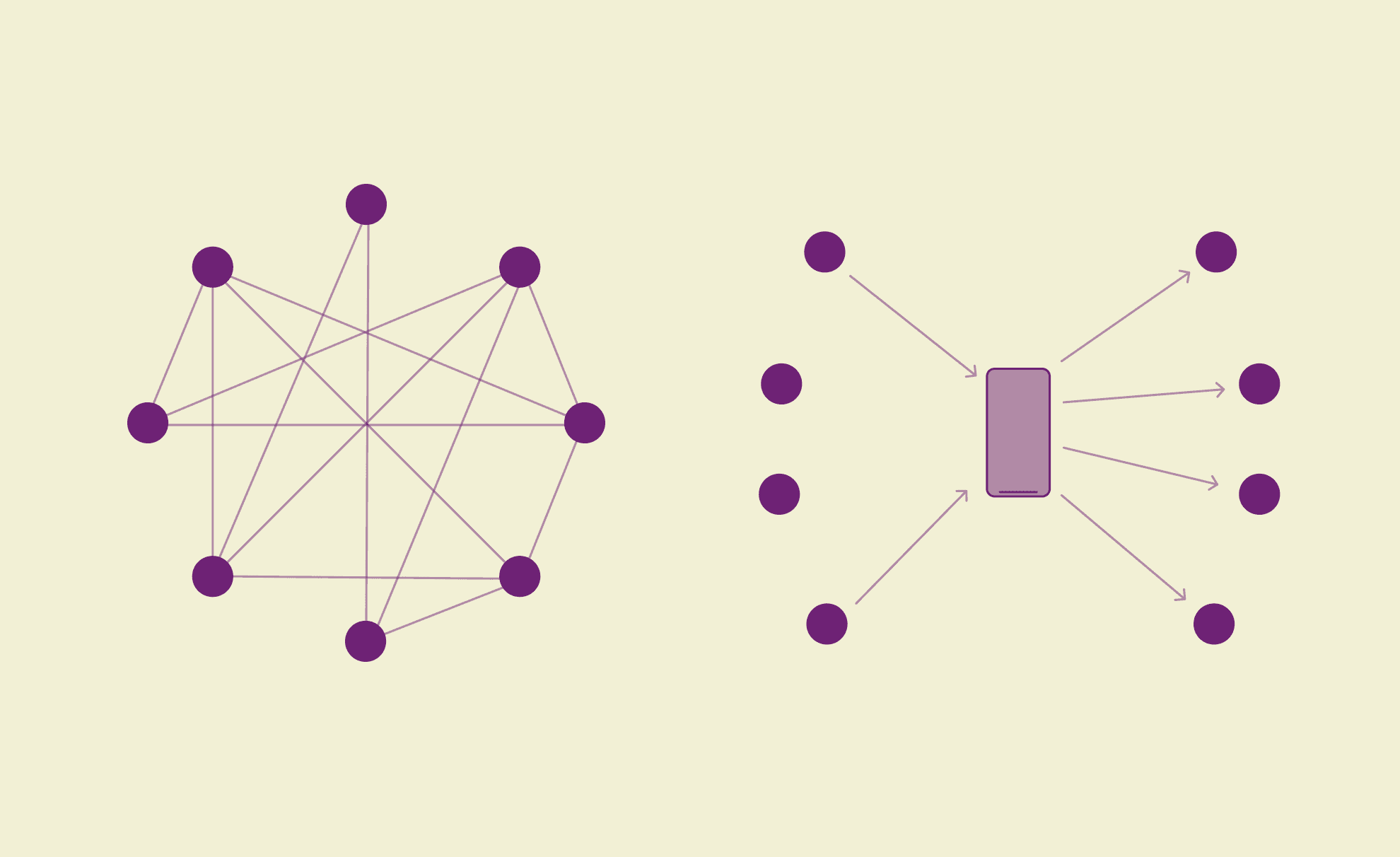
Soon, communication between public and private organizations will take place via digital wallets. You will be able to request, send, and share trustworthy documents. This will be more efficient, secure, and beneficial for everyone.
Watch video from Oslo Municipality
The video shows examples from liquor licensing and thoughts on digital wallets from Oslo Municipality.
Our projects
To get started with digital wallets, it can be wise to begin with a pilot project. Here are some of the projects we’ve carried out – and the lessons we’ve learned together with our customers.
Simpler and faster case processing
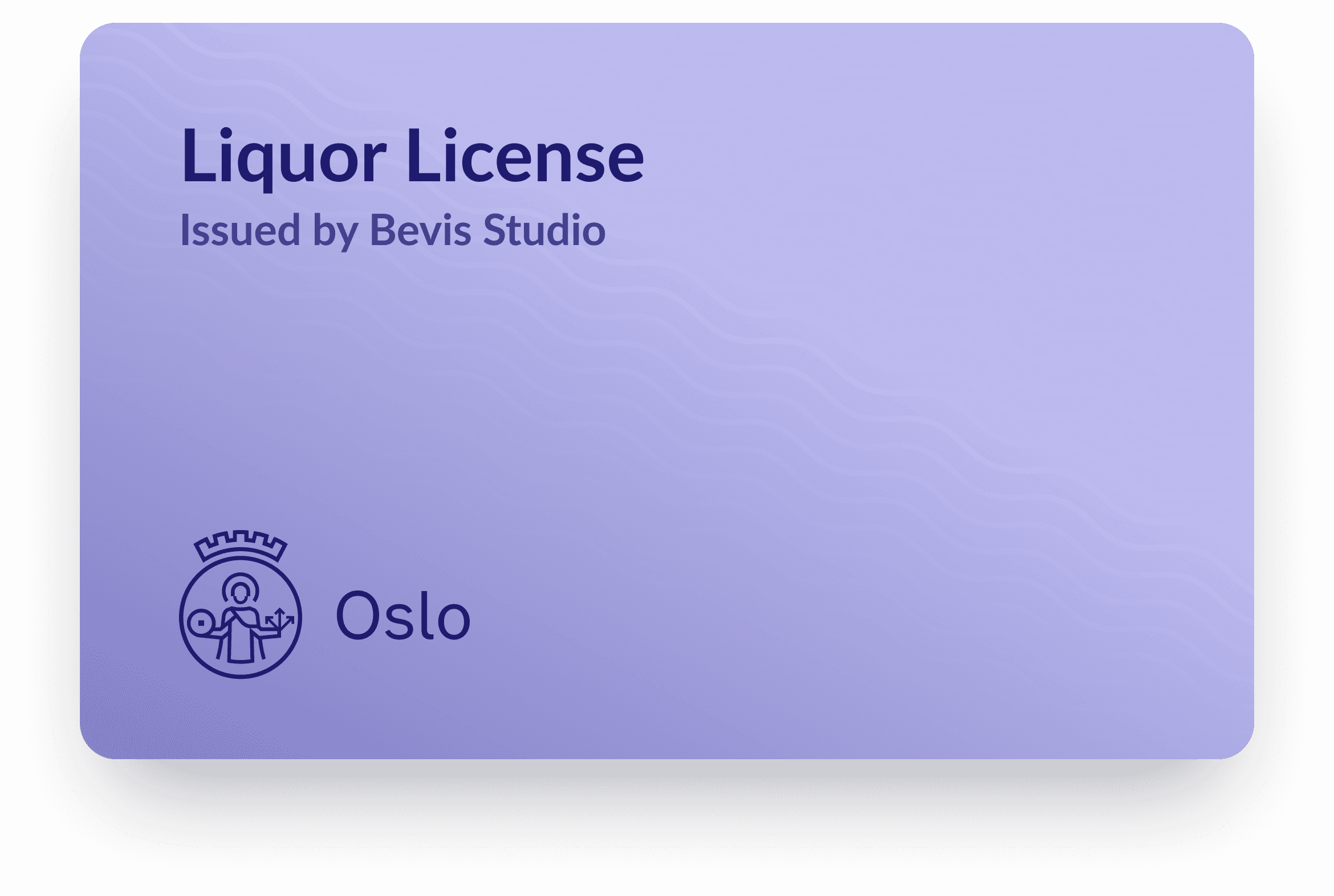
In collaboration with the City of Oslo, we created a pilot for a digital liquor license. By using digital credentials in the application process, the work is significantly simplified – for both the applicant and the case officer.
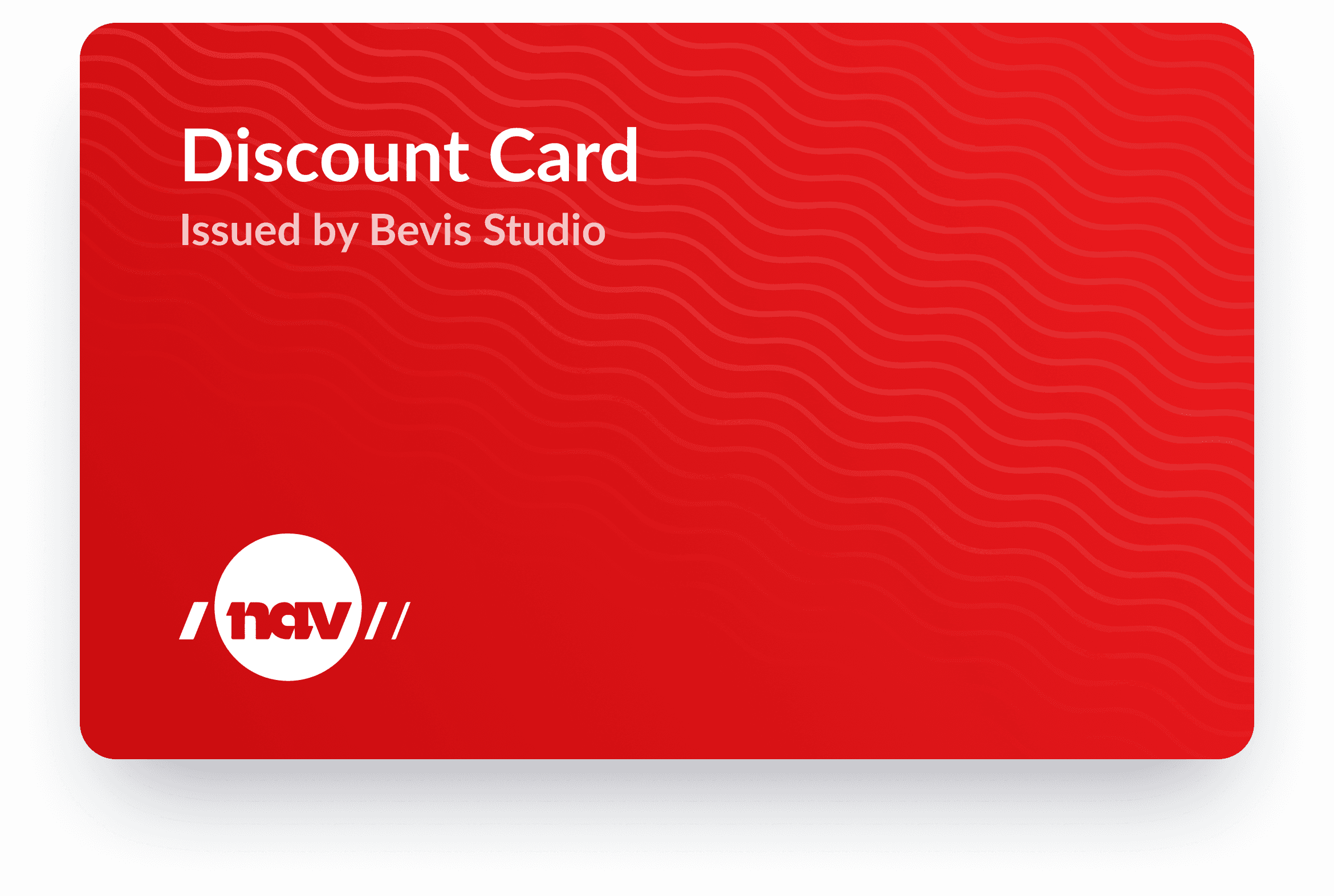
Together with NAV and Entur, we piloted a digital concession card. When the card is in the wallet and linked to the Entur profile, the user automatically gets a discount – entirely without manual checks. That provides better accessibility and a more inclusive user experience.
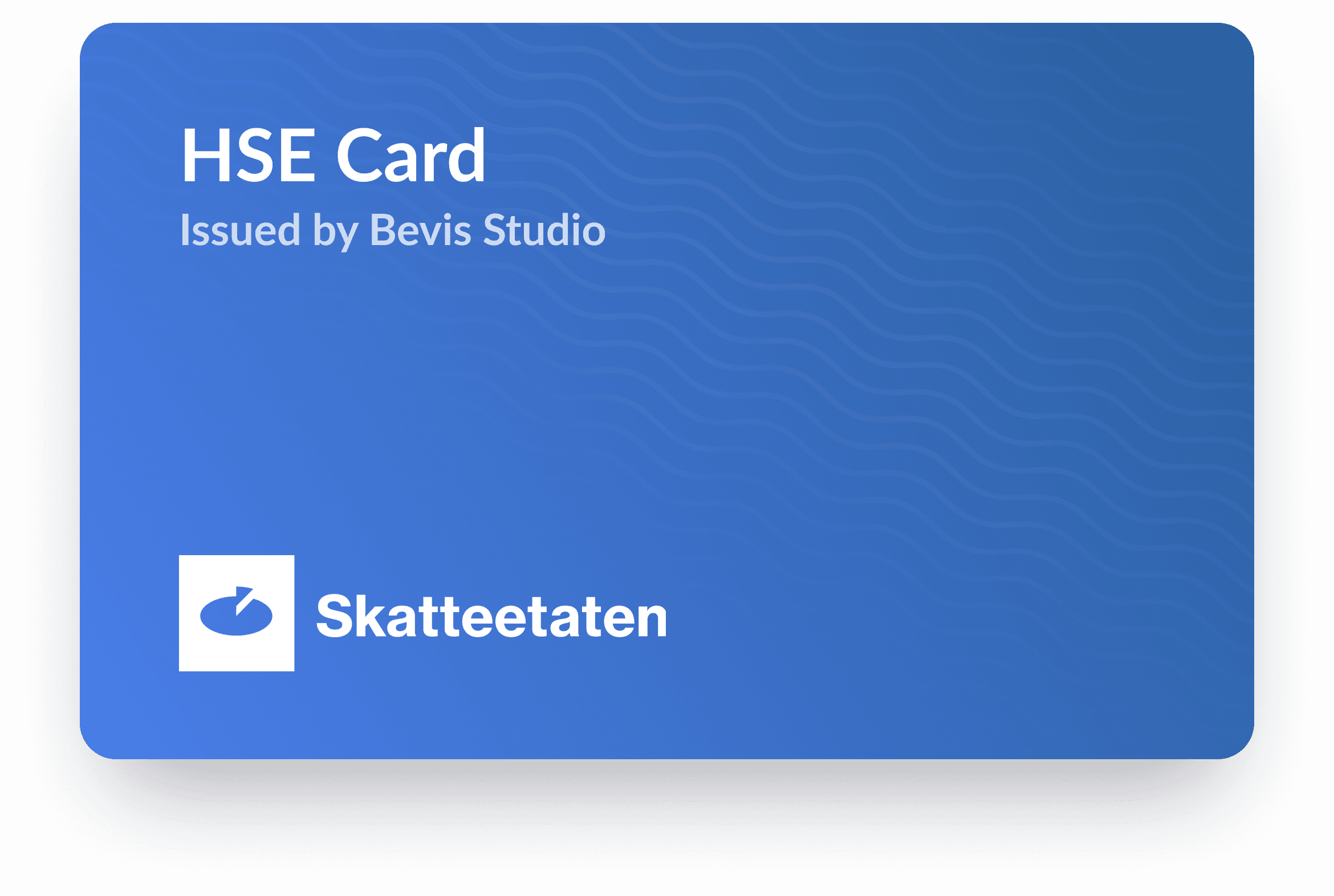
In collaboration with the Norwegian Tax Administration and the Labour Inspection Authority, we tested a digital HSE card. With digital identity in the wallet, foreign workers can more easily document who they are and where they work. That strengthens both inclusion and oversight in working life.
ID matching ensures secure use of digital identity across borders
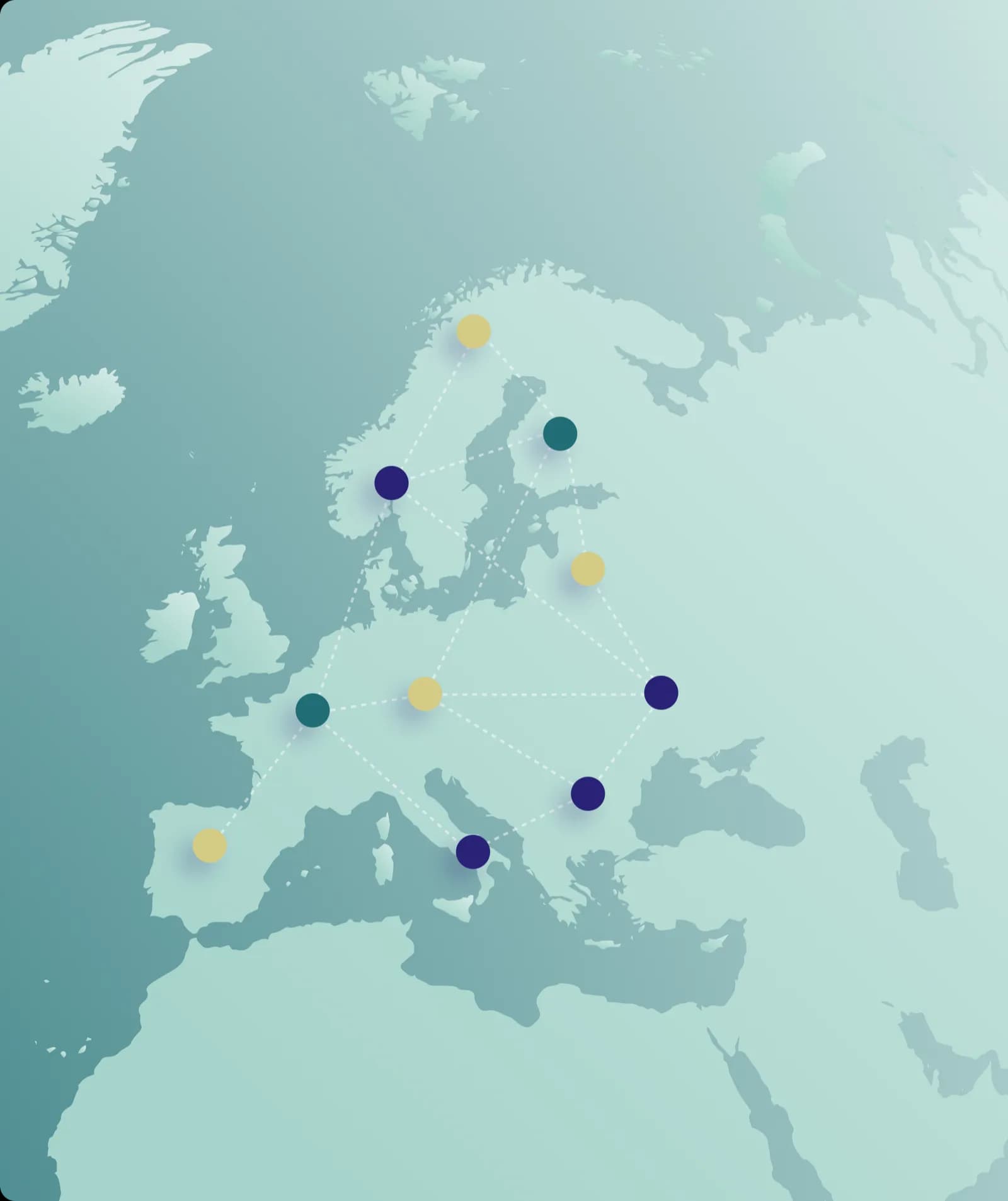
We have developed a tool for testing and piloting ID matching between the Nordic and Baltic countries.
Both the current eIDAS network (eIDAS 1.0) and the new European digital ID wallets (eIDAS 2.0) are intended to make it possible to use your eID in all European countries. But one challenge remains – how do we recognize a digital user who has been in Norway before? NOBID ID matching solves this by matching the user’s ID from their home country with an ID in another country. This provides secure and efficient access to digital services in other countries and helps service providers recognize returning users.
EU is working to ensure that all citizens in the EU, including Norway, can identify themselves and use digital services across borders. This is regulated through the upcoming eIDAS 2.0 regulation and will affect both private and public organizations.
A central part is a digital wallet that collects documentation, safeguards privacy, and can be used in all EU countries.
Zero Knowledge Proofs are a revolutionary technology that lets you prove that you are entitled to something without sharing the actual information. This is an important part of the future of digital identity.